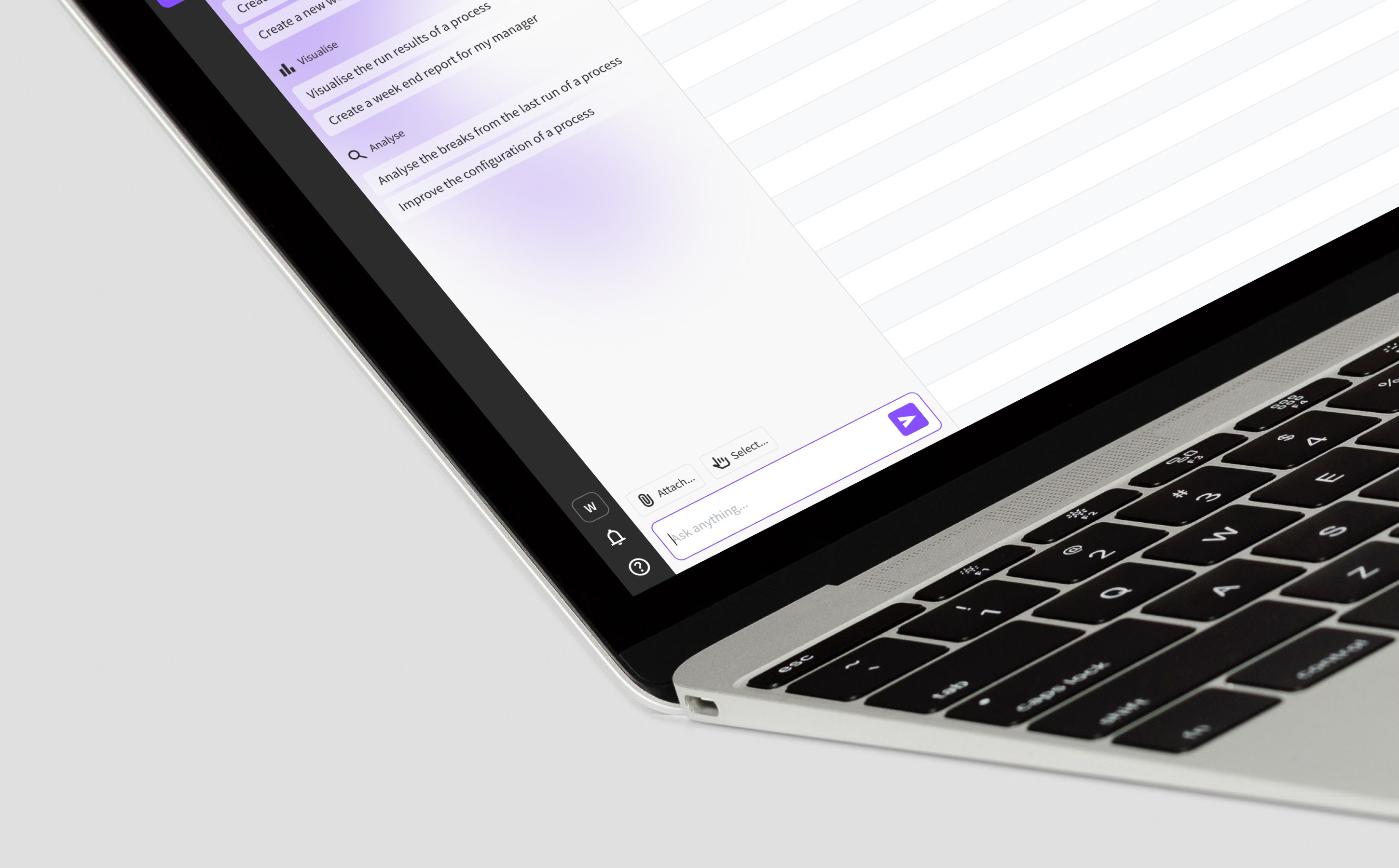
Agentic workspace
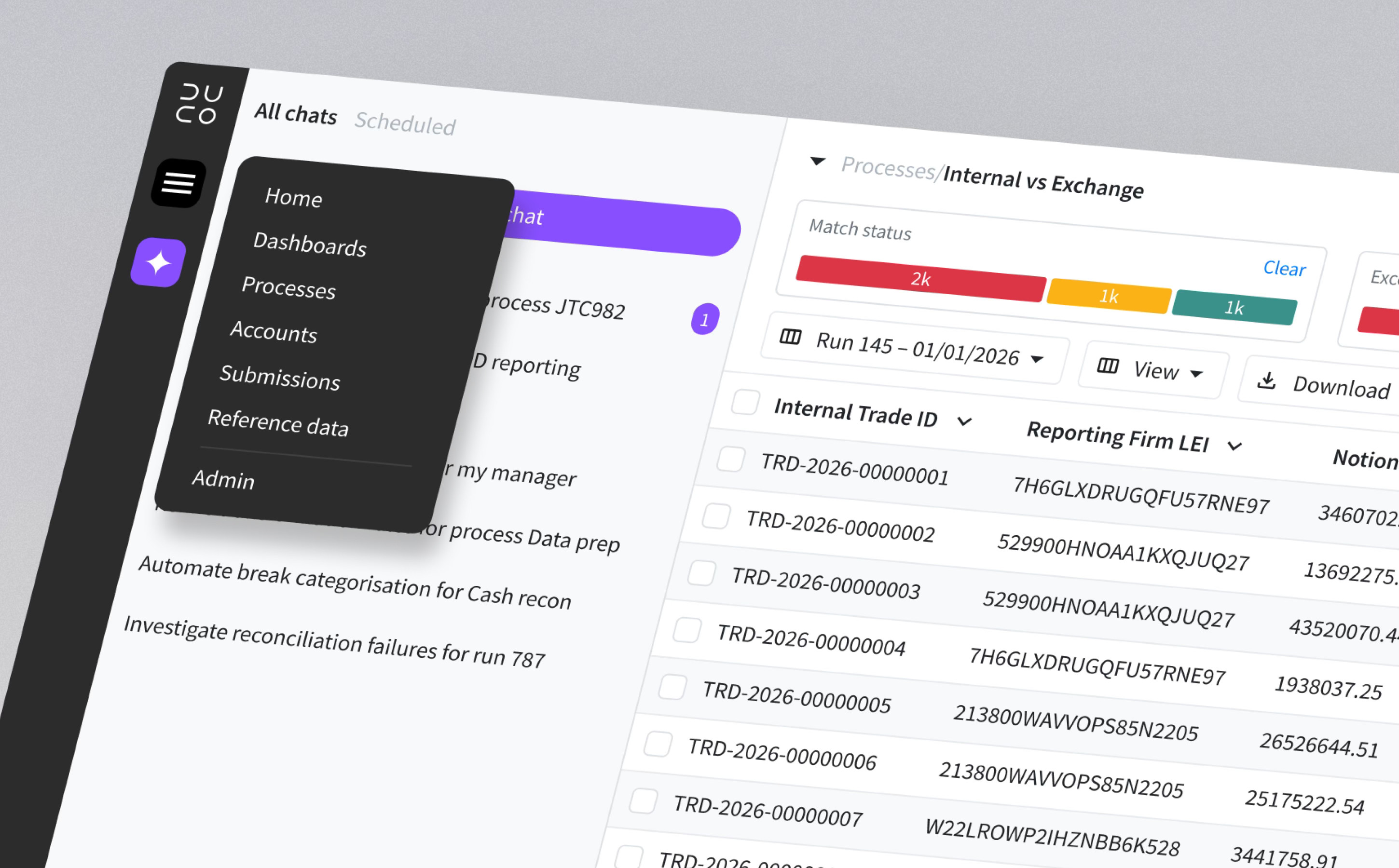
Creating a world where operations professionals supervise teams of agents and move from task-work to decision-making.
View →

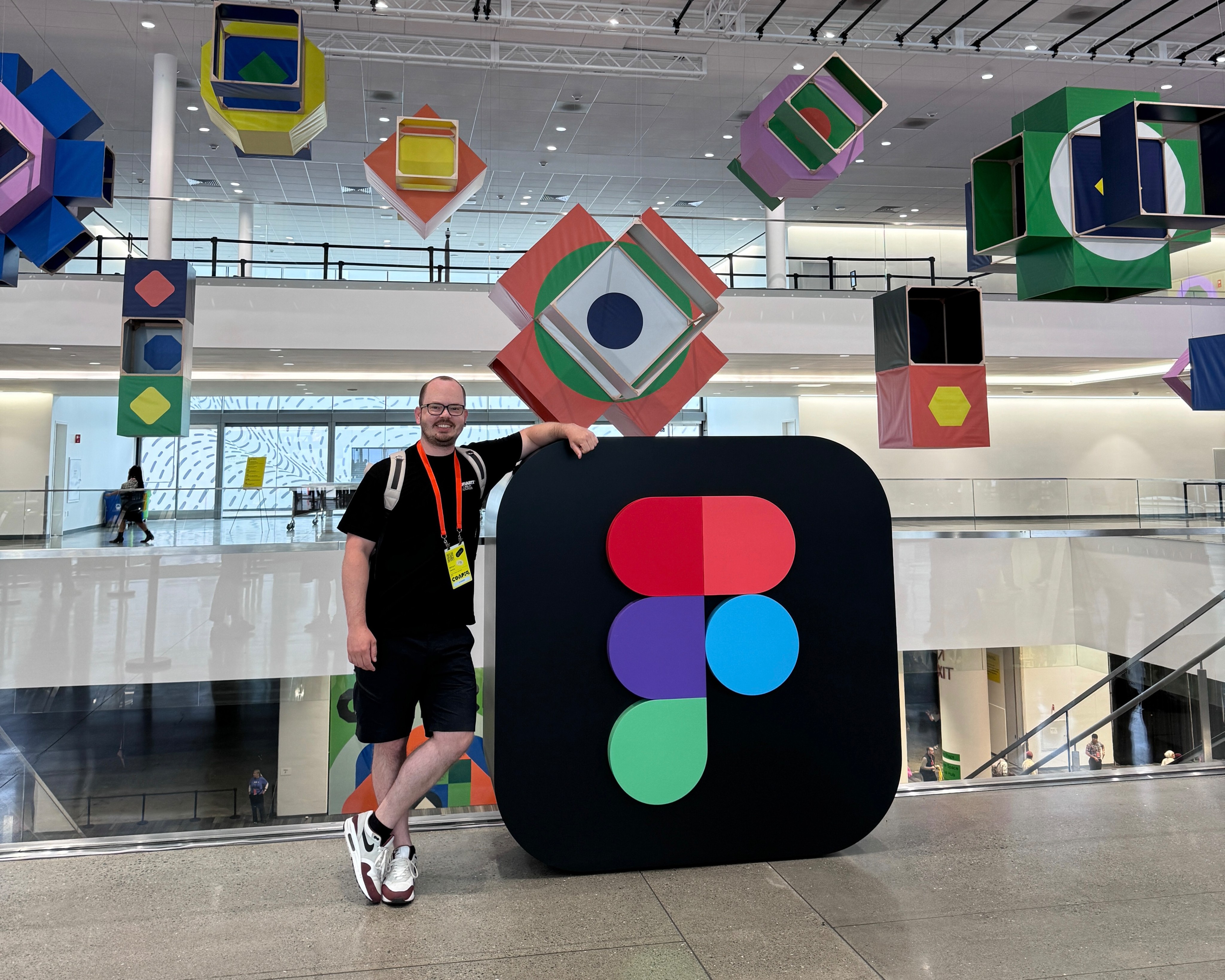
My professional career as a designer began with a degree in Graphic Design from University of the Arts London, where I studied the fundamentals of composition, typography and colour. In the following years I honed my craft working with global brands including Burberry, British Airways, Tesco and Nikon.
I transitioned to Product Design as I had a desire to create work that helped people and I was fascinated by the Silicon Valley boom. I trained in UX at General Assembly and found my combined skill set incredibly effective at designing work that sits at the intersection of visual beauty, user productivity and business objectives.
The last 7 years of my career have been spent at the cutting edge of technology designing AI products in the financial services and data management space. The fast pace of this highly regulated industry sharpened every skill in my designers toolkit. As sole product designer at Duco, we are now the leading AI-powered SaaS platform for operations.
My skills and experience cover the entire product design workflow including business strategy. My most recent work includes transforming operations with AI for the worlds leading banks.
Creating a world where operations professionals supervise teams of agents and move from task-work to decision-making.
View →
Creating a UI vision for the platform optimised for AI and solving a suite of legacy challenges.
View →
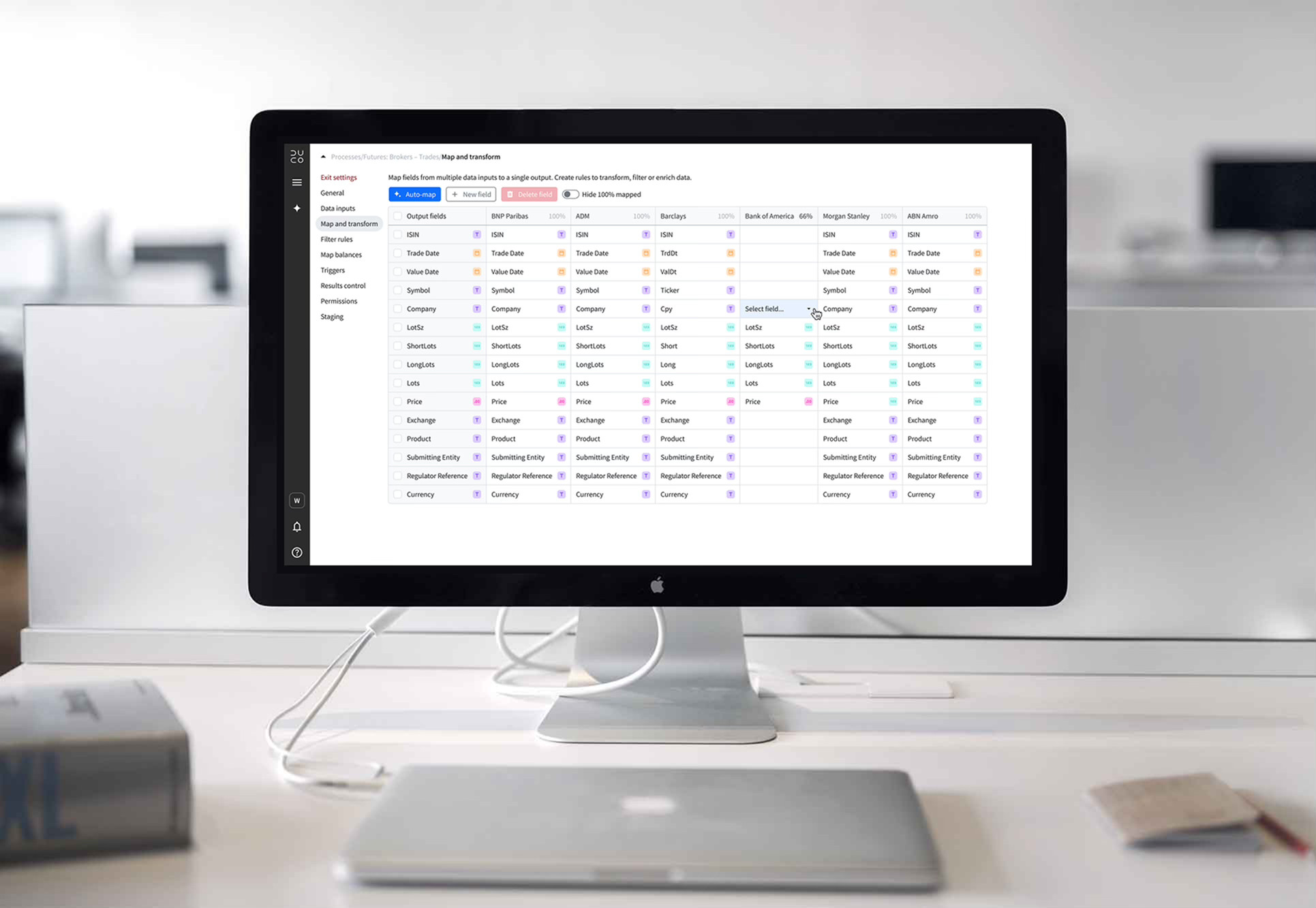
Transform high volume, mission critical data with ease in a no-code, AI-powered tool.
View →
In the AI era, designers provide unique values of discovery, human empathy and the ability to imagine something completely new. Now that the ability to produce UI is cheap, great ideas are the new currency.
To design means to discover a need for something, then imagine, create and test a solution. The process requires intentional use of many design skills and tools, producing visuals is just a part.
Anyone with AI can now generate a UI in minutes, removing technical barriers between creative vision and output. Execution is cheap – ideas is why you hire designers.
The unique value designers bring is the ability to discover brand new ideas and validate them with real people. Most of all, designers answer the question – what should we be building?
The best designers don’t need to be told what to do, they find issues and opportunities for innovation proactively and get to work immediately, accounting for impact, planning and priority.
AI acts only when instructed, which includes acting on bad ideas and filling in gaps with guess work. AI is very useful when transcribing known outputs but struggles with ambiguity and won’t push back.
A designer thrives in ambiguity, combining a holistic understanding of company objectives, products, teams and priorities to make decisions that optimise all of these factors, proactively.
A vital part of the design process is discovery and this is best achieved with users in their natural environments. This provides wider context as we observe how our products fit in to their daily lives.
This uniquely human interaction is something AI can not do, although it can help us prepare and analyse results. Real insight is critical to success as people are unpredictable.
AI is skewed toward whatever was most represented online, typically western English language, so contains blind spot when it comes to cultural context in global or diverse audiences.
Design is more than just producing an attractive UI — it requires someone who can explain every element of their work and own their decisions. A designer is someone who is relied on and trusted.
AI can produce visuals, sometimes to a very high standard, but it‘s only surface level and falls apart under scrutiny. A designer uses AI for inspiration or rapid prototyping but understands the limits.
Every decision a designer makes is intentional and backed up by an understanding of the wider product and business objectives. They can be relied on to explain and own their decisions.
The responsibility of a design leader is to define creative vision. This vision combines the values and mission of the company into distinctive qualities that can be felt in every product.
A perfect example of this is Apple – all physical products, digital and in-store experiences feel uniquely Apple. This enforces the values of the brand and communicates quality to users.
AI tools can produce outcomes based on existing components and guidelines but it can’t imagine an original creative vision. Designers create the vision and protect it, mitigating risk of “AI slop”.
My professional career as a designer began with a degree in Graphic Design from University of the Arts London, where I studied the fundamentals of composition, typography and colour. In the following years I honed my craft working with global brands including Burberry, British Airways, Tesco and Nikon.
I transitioned to Product Design as I had a desire to create work that helped people and I was fascinated by the Silicon Valley boom. I trained in UX at General Assembly and found my combined skill set incredibly effective at designing work that sits at the intersection of visual beauty, user productivity and business objectives.
The last 7 years of my career have been spent at the cutting edge of technology designing AI products in the financial services and data management space. The fast pace of this highly regulated industry sharpened every skill in my designers toolkit. As sole product designer at Duco, we are now the leading AI-powered SaaS platform for operations.
My skills and experience cover the entire product design workflow including business strategy. My most recent work includes transforming operations with AI for the worlds leading banks.
Creating a world where operations professionals supervise teams of agents and move from task-work to decision-making.
View →
Creating a UI vision for the platform optimised for AI and solving a suite of legacy challenges.
View →
Transform high volume, mission critical data with ease in a no-code, AI-powered tool.
View →
In the AI era, designers provide unique values of discovery, human empathy and the ability to imagine something completely new. Now that the ability to produce UI is cheap, great ideas are the new currency.
To design means to discover a need for something, then imagine, create and test a solution. The process requires intentional use of many design skills and tools, producing visuals is just a part.
Anyone with AI can now generate a UI in minutes, removing technical barriers between creative vision and output. Execution is cheap – ideas is why you hire designers.
The unique value designers bring is the ability to discover brand new ideas and validate them with real people. Most of all, designers answer the question – what should we be building?
Design is more than just producing an attractive UI — it requires someone who can explain every element of their work and own their decisions. A designer is someone who is relied on and trusted.
AI can produce visuals, sometimes to a very high standard, but it‘s only surface level and falls apart under scrutiny. A designer uses AI for inspiration or rapid prototyping but understands the limits.
Every decision a designer makes is intentional and backed up by an understanding of the wider product and business objectives. They can be relied on to explain and own their decisions.
The responsibility of a design leader is to define creative vision. This vision combines the values and mission of the company into distinctive qualities that can be felt in every product.
A perfect example of this is Apple – all physical products, digital and in-store experiences feel uniquely Apple. This enforces the values of the brand and communicates quality to users.
AI tools can produce outcomes based on existing components and guidelines but it can’t imagine an original creative vision. Designers create the vision and protect it, mitigating risk of “AI slop”.
The best designers don’t need to be told what to do, they find issues and opportunities for innovation proactively and get to work immediately, accounting for impact, planning and priority.
AI acts only when instructed, which includes acting on bad ideas and filling in gaps with guess work. AI is very useful when transcribing known outputs but struggles with ambiguity and won’t push back.
A designer thrives in ambiguity, combining a holistic understanding of company objectives, products, teams and priorities to make decisions that optimise all of these factors, proactively.
A vital part of the design process is discovery and this is best achieved with users in their natural environments. This provides wider context as we observe how our products fit in to their daily lives.
This uniquely human interaction is something AI can not do, although it can help us prepare and analyse results. Real insight is critical to success as people are unpredictable.
AI is skewed toward whatever was most represented online, typically western English language, so contains blind spot when it comes to cultural context in global or diverse audiences.
My professional career as a designer began with a degree in Graphic Design from University of the Arts London, where I studied the fundamentals of composition, typography and colour. In the following years I honed my craft working with global brands including Burberry, British Airways, Tesco and Nikon.
I transitioned to Product Design as I had a desire to create work that helped people and I was fascinated by the Silicon Valley boom. I trained in UX at General Assembly and found my combined skill set incredibly effective at designing work that sits at the intersection of visual beauty, user productivity and business objectives.
The last 7 years of my career have been spent at the cutting edge of technology designing AI products in the financial services and data management space. The fast pace of this highly regulated industry sharpened every skill in my designers toolkit. As sole product designer at Duco, we are now the leading AI-powered SaaS platform for operations.
My skills and experience cover the entire product design workflow including business strategy. My most recent work includes transforming operations with AI for the worlds leading banks.
Creating a world where operations professionals supervise teams of agents and move from task-work to decision-making.
View →
Creating a UI vision for the platform optimised for AI and solving a suite of legacy challenges.
View →
Transform high volume, mission critical data with ease in a no-code, AI-powered tool.
View →
In the AI era, designers provide unique values of discovery, human empathy and the ability to imagine something completely new. Now that the ability to produce UI is cheap, great ideas are the new currency.
To design means to discover a need for something, then imagine, create and test a solution. The process requires intentional use of many design skills and tools, producing visuals is just a part.
Anyone with AI can now generate a UI in minutes, removing technical barriers between creative vision and output. Execution is cheap – ideas is why you hire designers.
The unique value designers bring is the ability to discover brand new ideas and validate them with real people. Most of all, designers answer the question – what should we be building?
Design is more than just producing an attractive UI — it requires someone who can explain every element of their work and own their decisions. A designer is someone who is relied on and trusted.
AI can produce visuals, sometimes to a very high standard, but it‘s only surface level and falls apart under scrutiny. A designer uses AI for inspiration or rapid prototyping but understands the limits.
Every decision a designer makes is intentional and backed up by an understanding of the wider product and business objectives. They can be relied on to explain and own their decisions.
The responsibility of a design leader is to define creative vision. This vision combines the values and mission of the company into distinctive qualities that can be felt in every product.
A perfect example of this is Apple – all physical products, digital and in-store experiences feel uniquely Apple. This enforces the values of the brand and communicates quality to users.
AI tools can produce outcomes based on existing components and guidelines but it can’t imagine an original creative vision. Designers create the vision and protect it, mitigating risk of “AI slop”.
The best designers don’t need to be told what to do, they find issues and opportunities for innovation proactively and get to work immediately, accounting for impact, planning and priority.
AI acts only when instructed, which includes acting on bad ideas and filling in gaps with guess work. AI is very useful when transcribing known outputs but struggles with ambiguity and won’t push back.
A designer thrives in ambiguity, combining a holistic understanding of company objectives, products, teams and priorities to make decisions that optimise all of these factors, proactively.
A vital part of the design process is discovery and this is best achieved with users in their natural environments. This provides wider context as we observe how our products fit in to their daily lives.
This uniquely human interaction is something AI can not do, although it can help us prepare and analyse results. Real insight is critical to success as people are unpredictable.
AI is skewed toward whatever was most represented online, typically western English language, so contains blind spot when it comes to cultural context in global or diverse audiences.